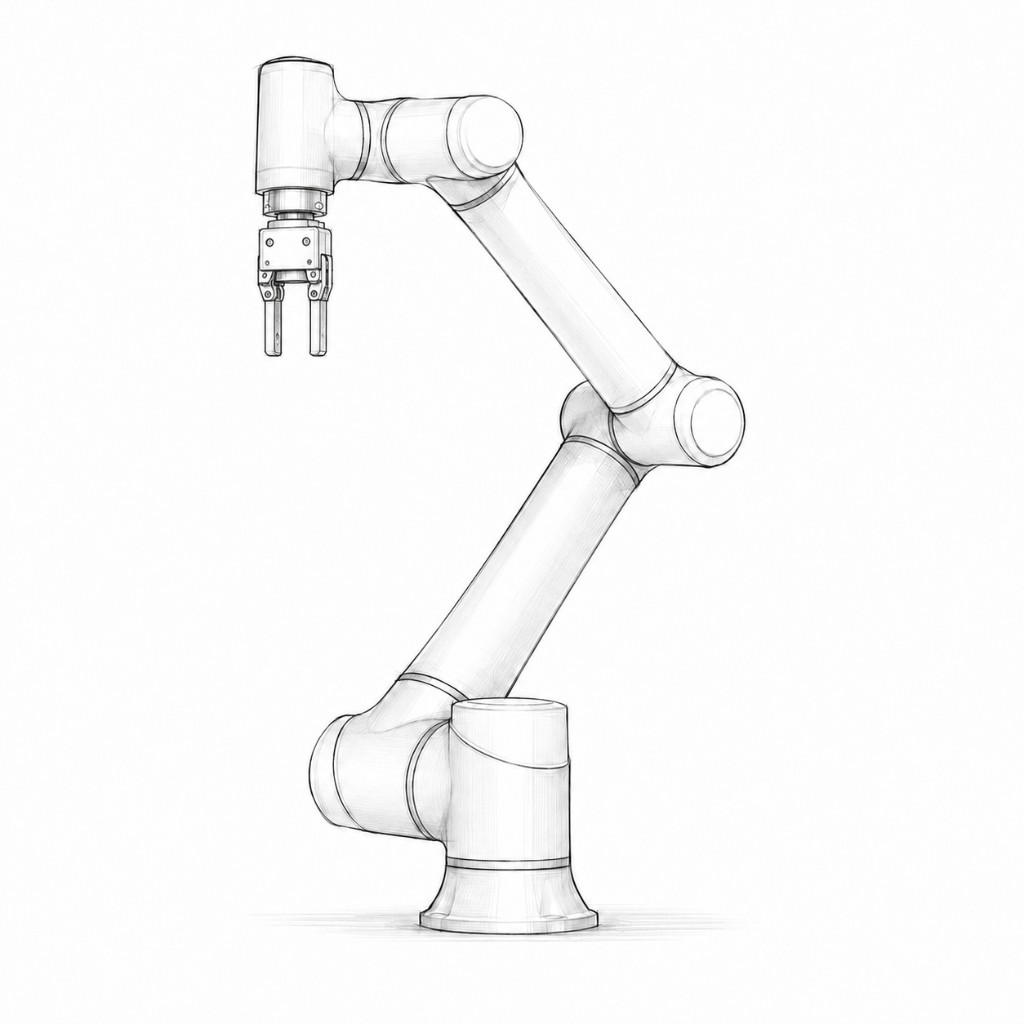
Procedural Robotics collects data to train spatial reasoning models and builds the infrastructure to deploy them in factories. We focus on production tasks that are too variable or require too much dexterity for traditional automation. Using teleoperated robot arms, handheld grippers, and egocentric cameras, we collect embodied data from live production lines at high-mix factories in the United States, Indonesia, and China. We label this data for use in training the world's most powerful models. When those models are ready for production, they can run on the same infrastructure we use to collect data.
---
There will be two great revolutions in the world's industrial capacity, perhaps more. The first has already happened, and the countries that harnessed it became vastly wealthier than those that did not. Much of the material abundance we enjoy today grew out of the cycle it set in motion: cheaper iron made better machines possible, and better machines made iron cheaper still.
America captured a large share of the gains from this cycle. In pursuit of ever-cheaper production, we moved much of the manufacturing capacity that sustained it overseas. We now rely on protectionist policies to shield us from the consequences.
Our second great industrial revolution must restore domestic manufacture. Otherwise, we risk dependence on foreign nations or, in Jefferson's words, being clothed in skins.1
-Procedural Robotics